Belonging Without Othering: An Evening in Berlin
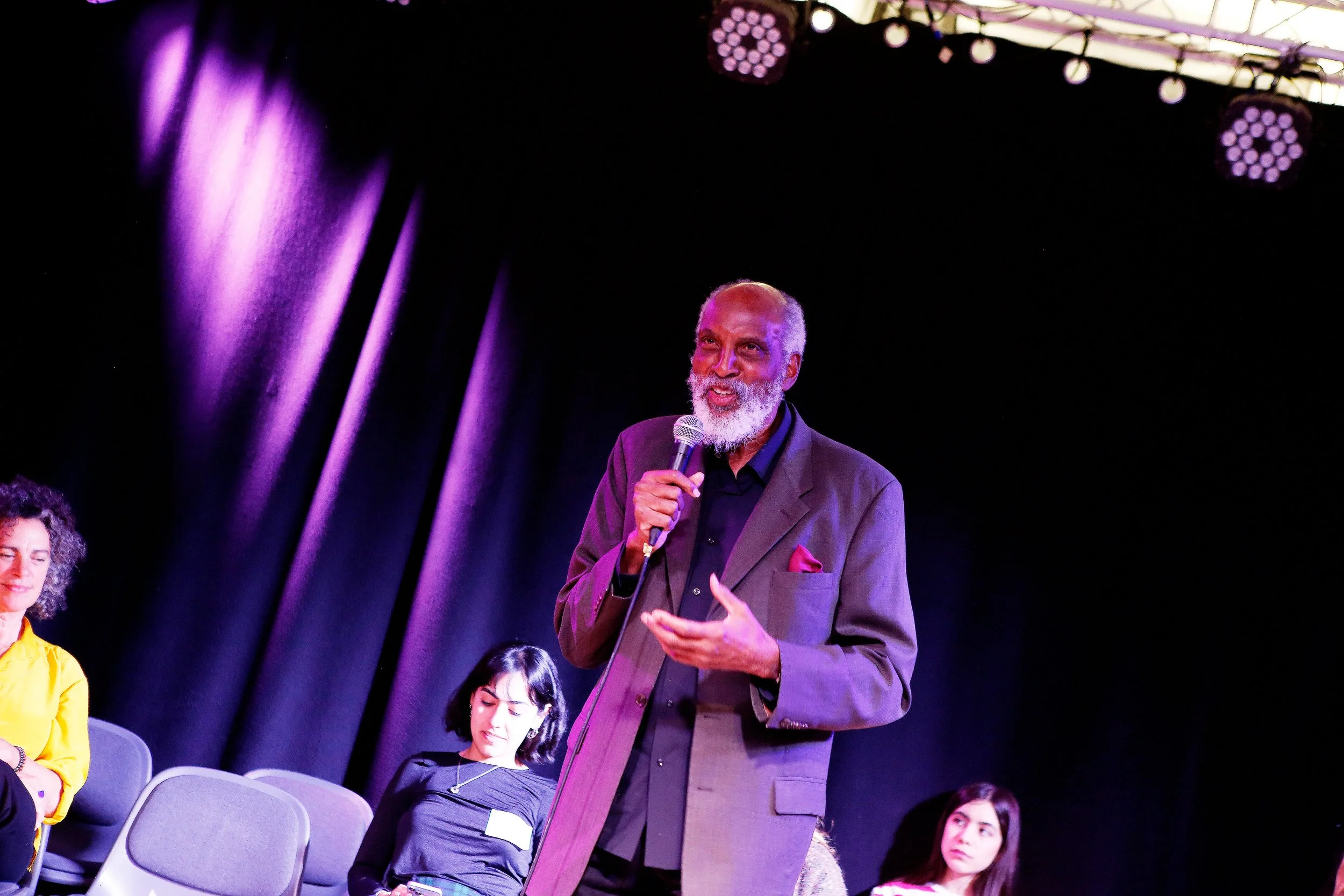
Photo by Constanze Flamme
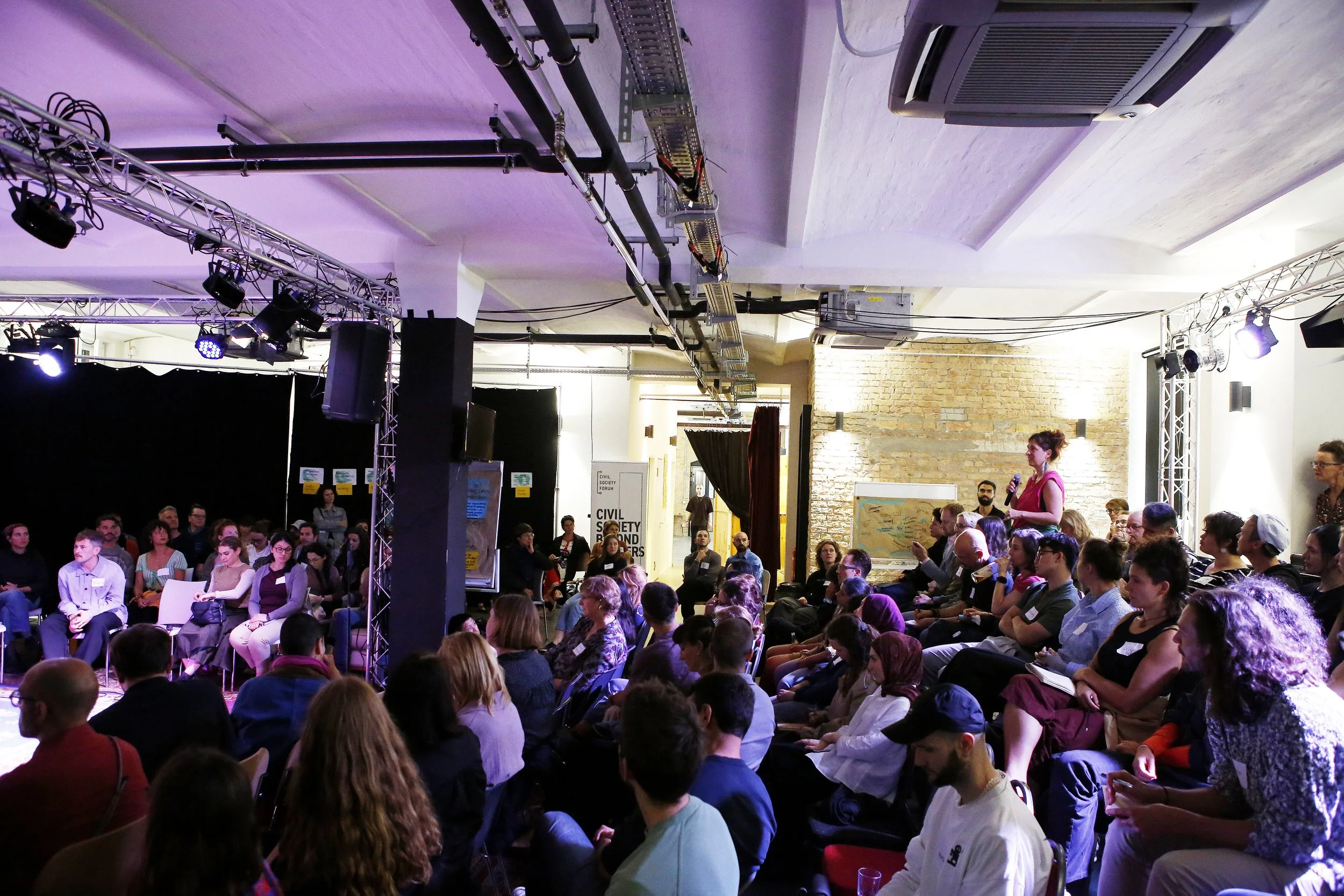
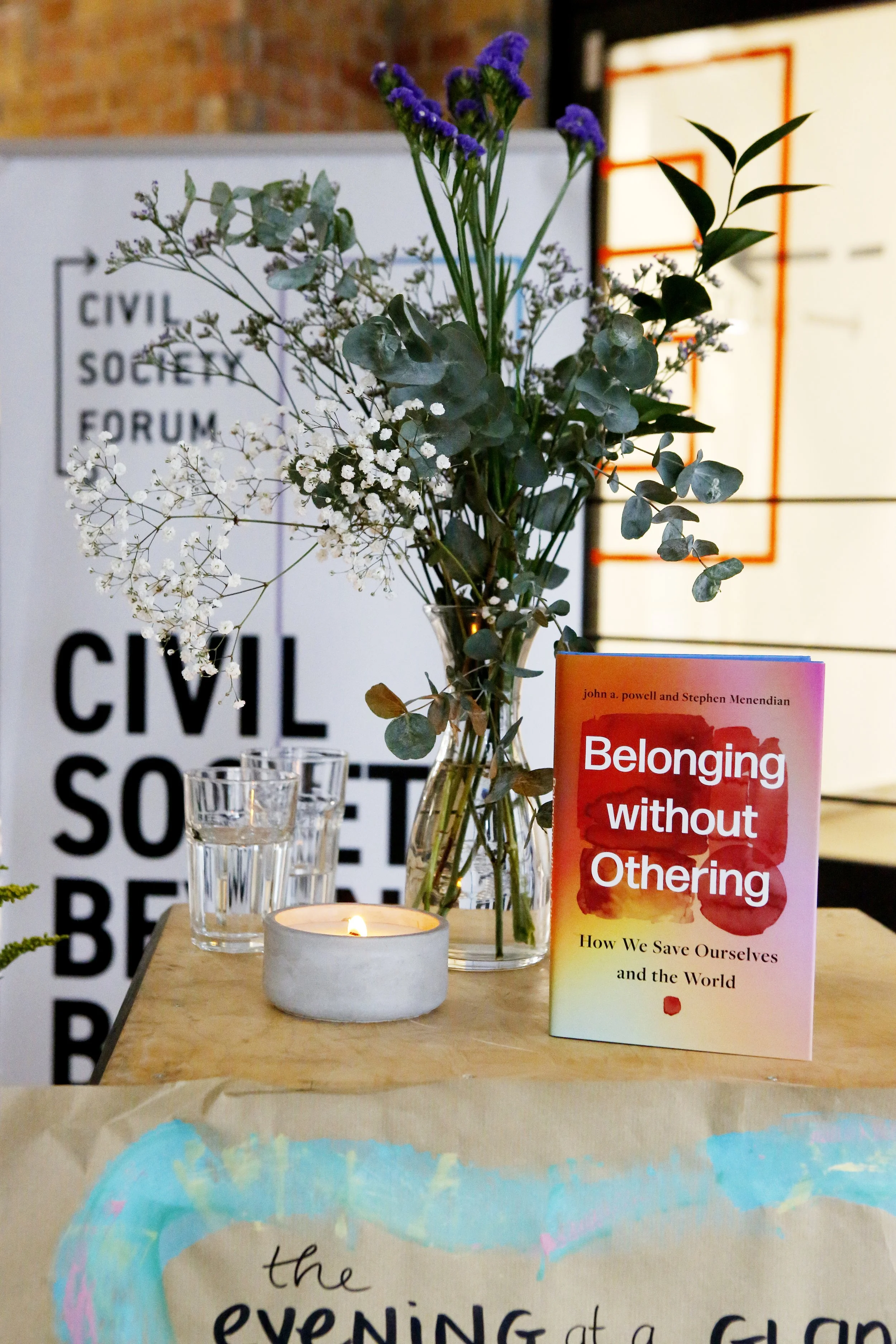
On July 7th, 2026, the Democracy & Belonging Forum joined Civil Society Forum e.V. and the European Philanthropic Initiative on Migration for an evening in Berlin on Belonging Without Othering with john a. powell, founding director of the Othering & Belonging Institute.
The evening started with a simple but demanding question: how do we find belonging across difference without flattening that difference?
Drawing on his own life, john shared about growing up in a loving, close family — his father a minister and his own sense of belonging never in question. Until, at 11, he questioned a core teaching of the church and a distance opened up between them with his father not speaking to him for five years. Although his mother ultimately worked to bridge their distance, john realized that belonging, even at home and within love, can come with hard conditions.
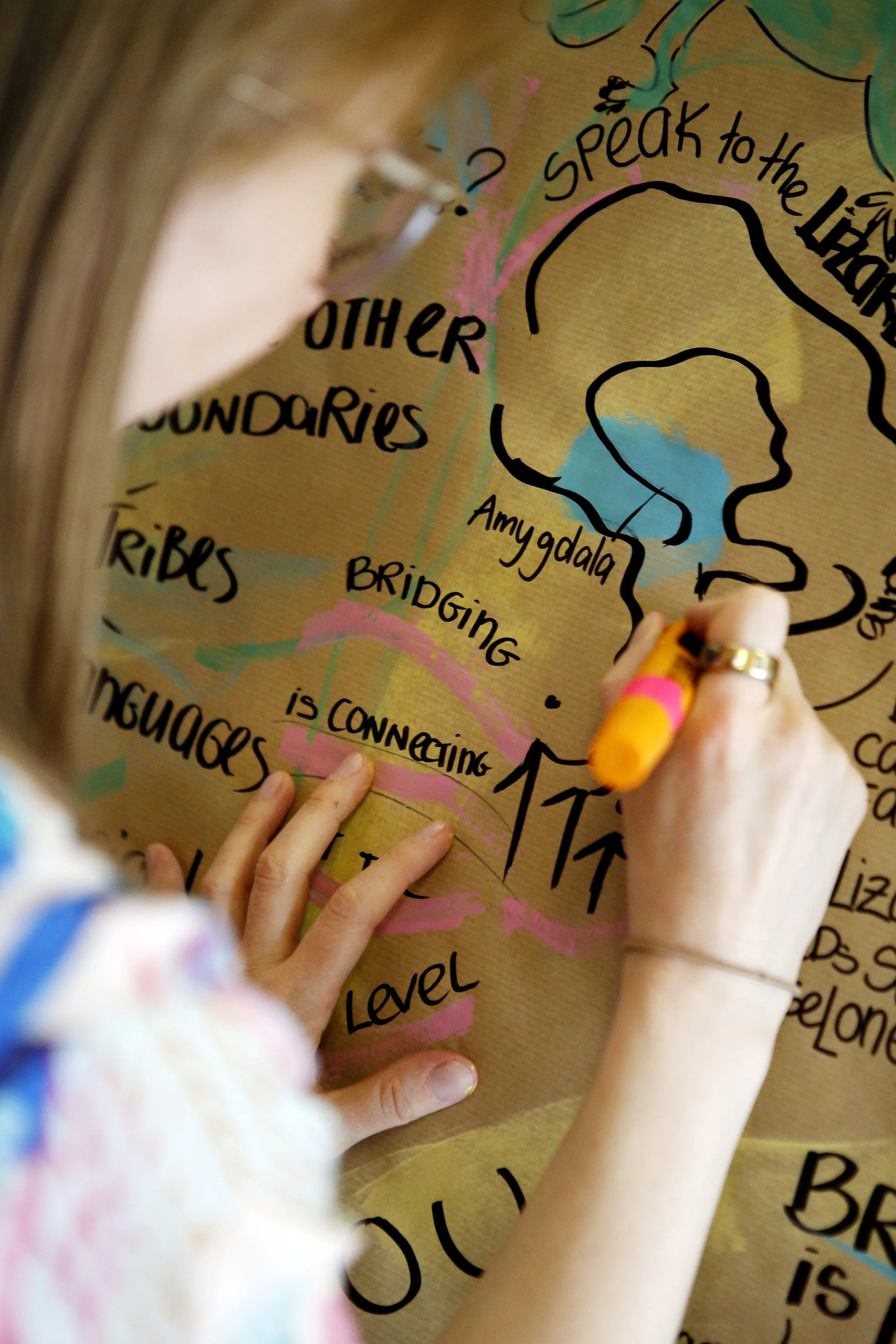
What followed was decades of studying how societies draw the boundaries of who gets to belong and who is made to be an other — and how perceived in-groups and out-groups can bridge across these lines to build the kinds of meaningful connections that are essential to creating more just and equitable societies for all. From his research, john offered a working theory of bridging: it doesn't happen through logical argument, but through the parts of us that respond to fear and safety before they respond to facts. That's also, he noted, how authoritarian appeals work. Political rhetoric that looks "illogical" can still land powerfully, because it's not aimed at the part of the brain that reasons; it's speaking directly to the older, more instinctive part of us: the lizard brain, wired for fear and the need to belong. That's why bridging work has to meet people at that same visceral level. Facts alone rarely move someone whose sense of safety or belonging feels threatened.
The evening then opened into eight personal stories from across Berlin's communities to illuminate othering and belonging locally: on moving from loneliness to “oneness,” unlearning patriarchy, growing up as a Palestinian in Germany, working in nightlife and care, and the pain of generational silence. The audience was invited to listen to these stories through a collective listening practice in which each person tracked a story through a specific lens: how it felt in the body, what structures of oppression it surfaced, what needed to be unlearned, or who stood at the edges of the story.
What emerged wasn't a cohesive narrative but something closer to what john described as the power of bridging itself: staying in relationship through difference, uncertainty, and discomfort, without needing quick resolution.
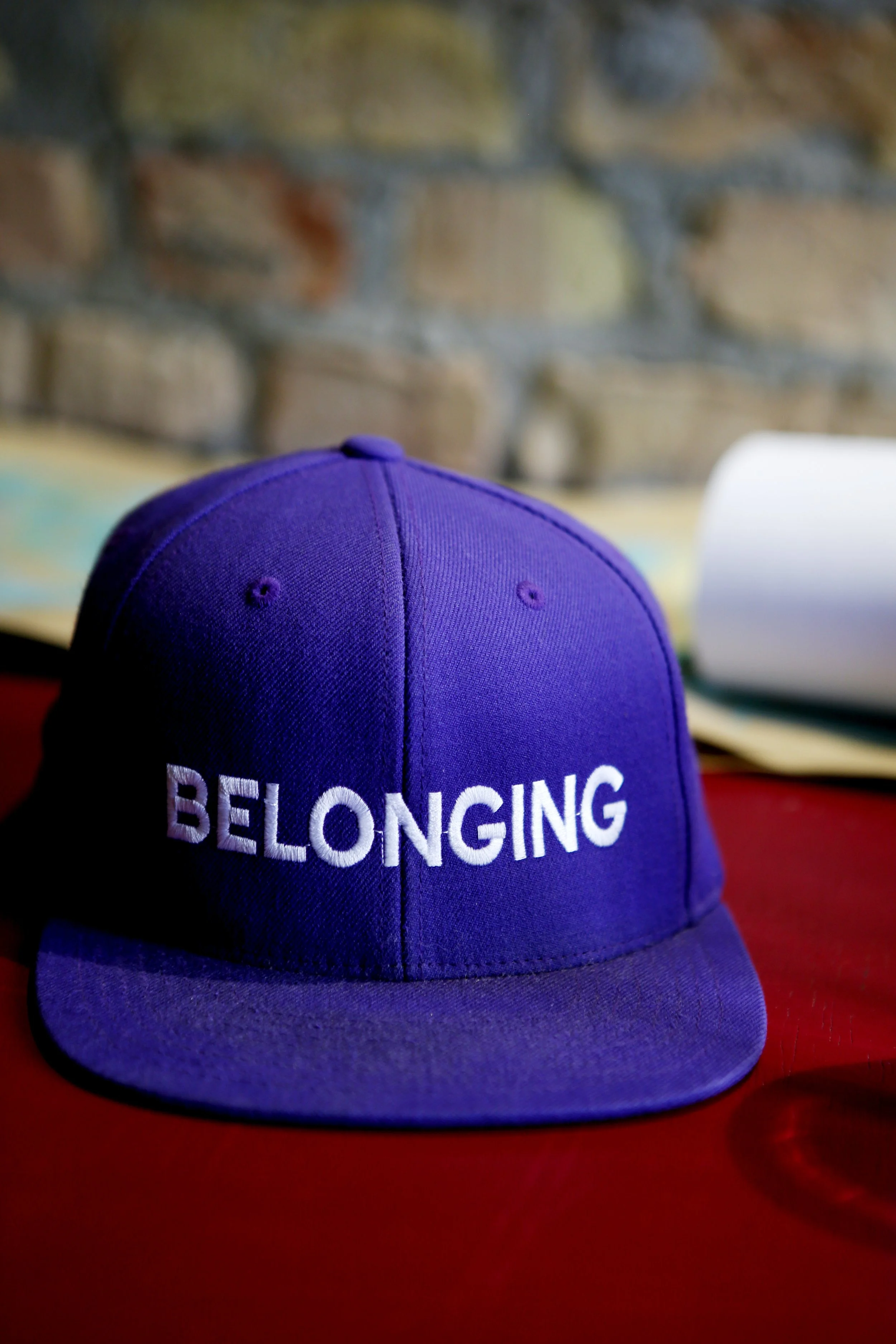
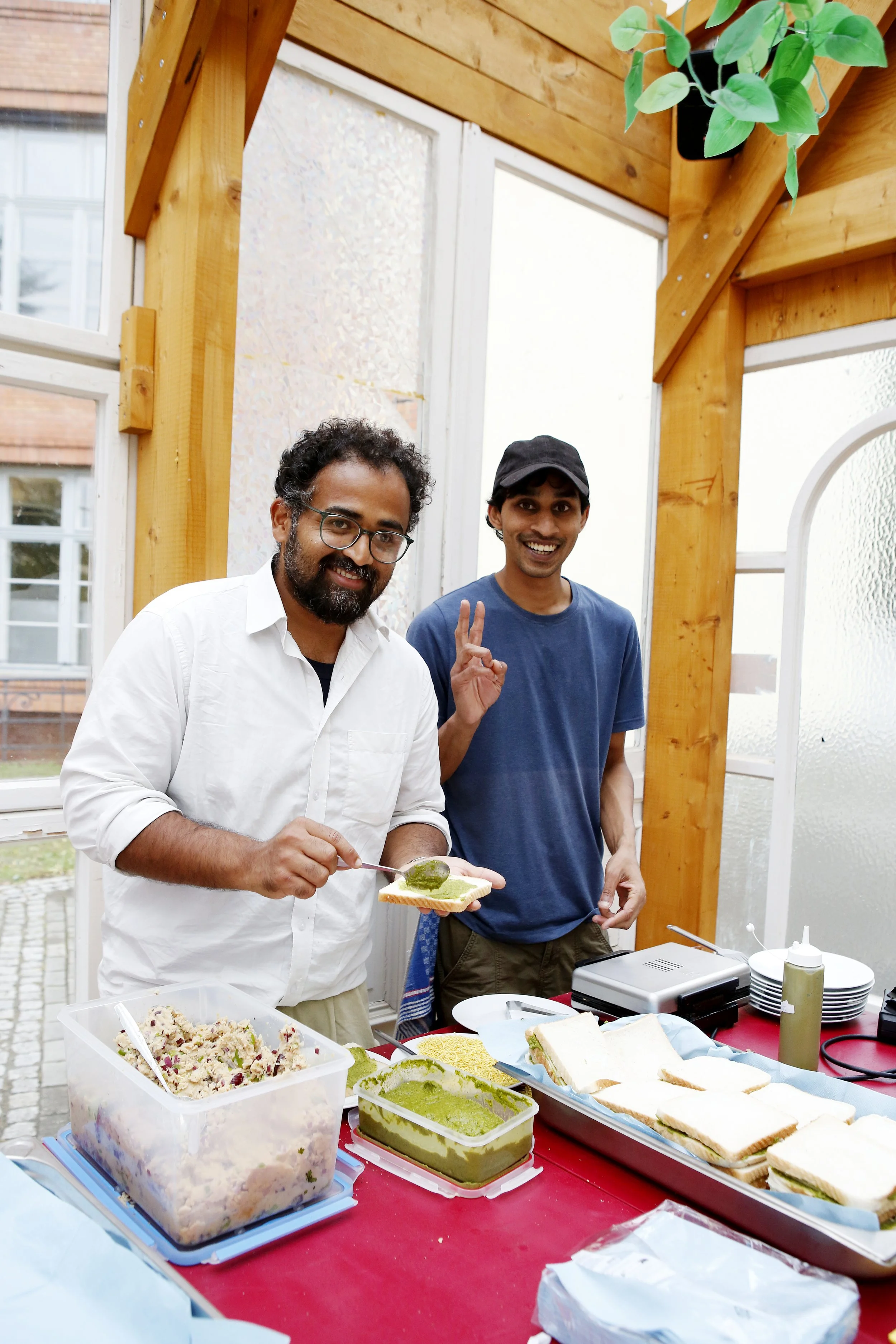
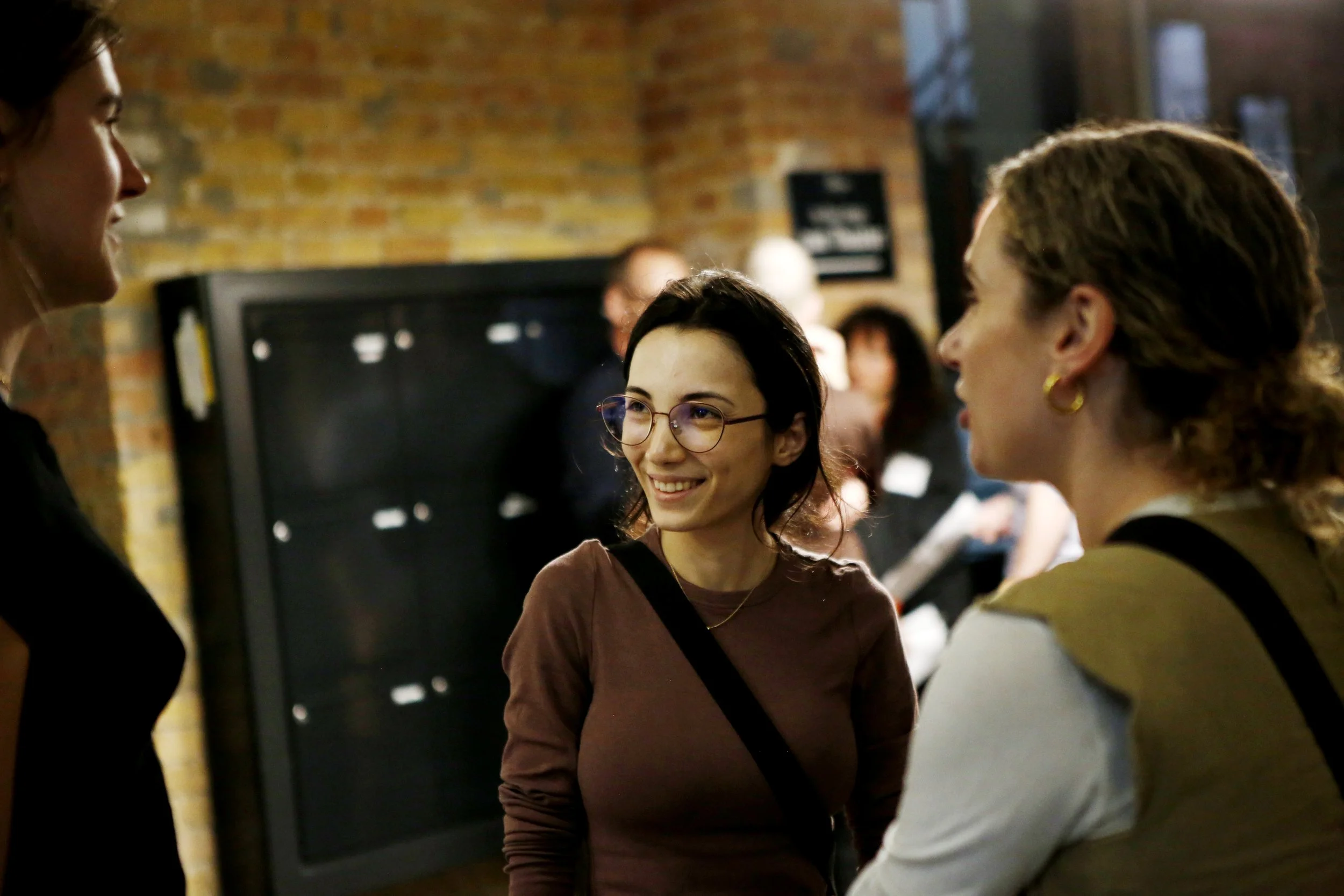
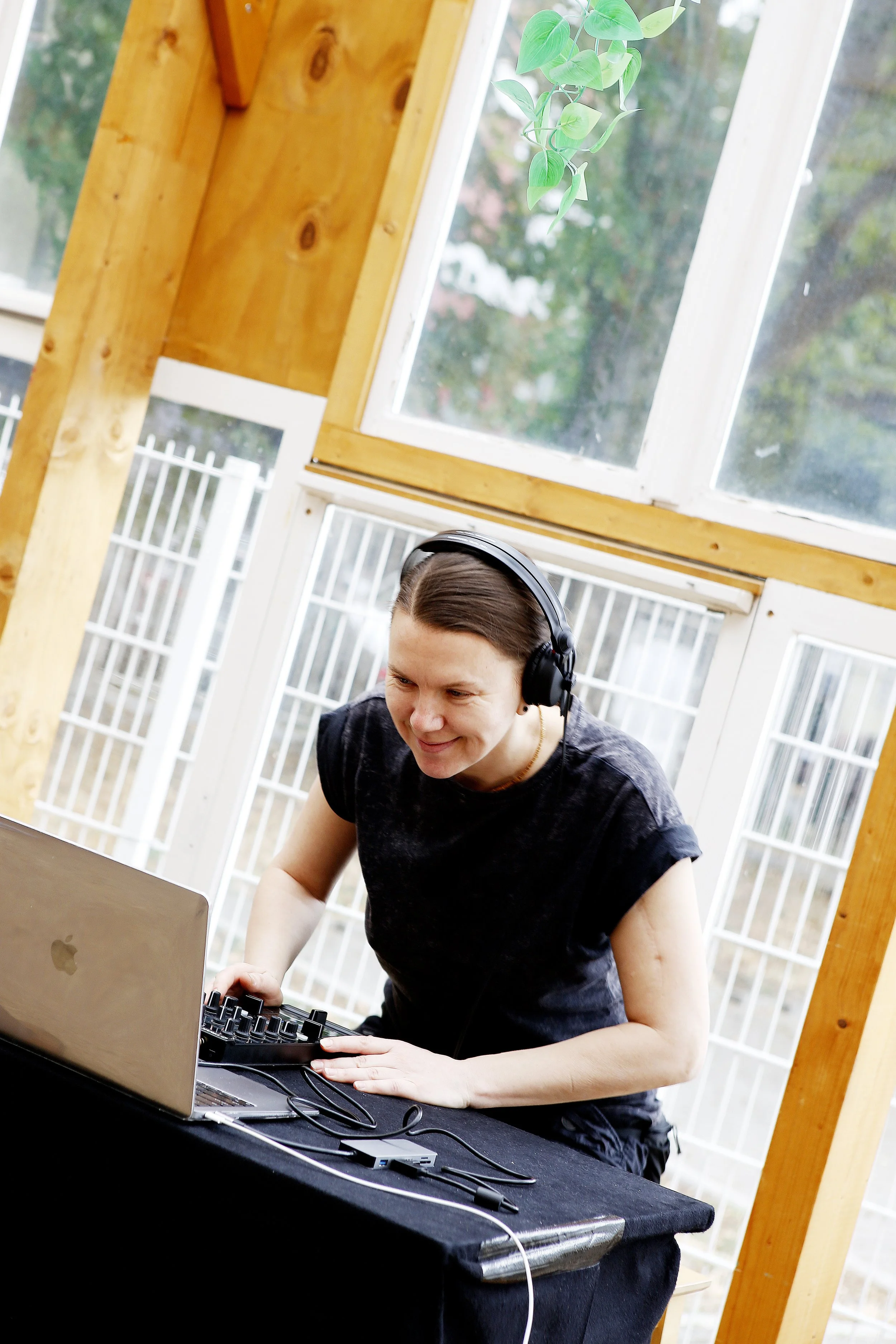
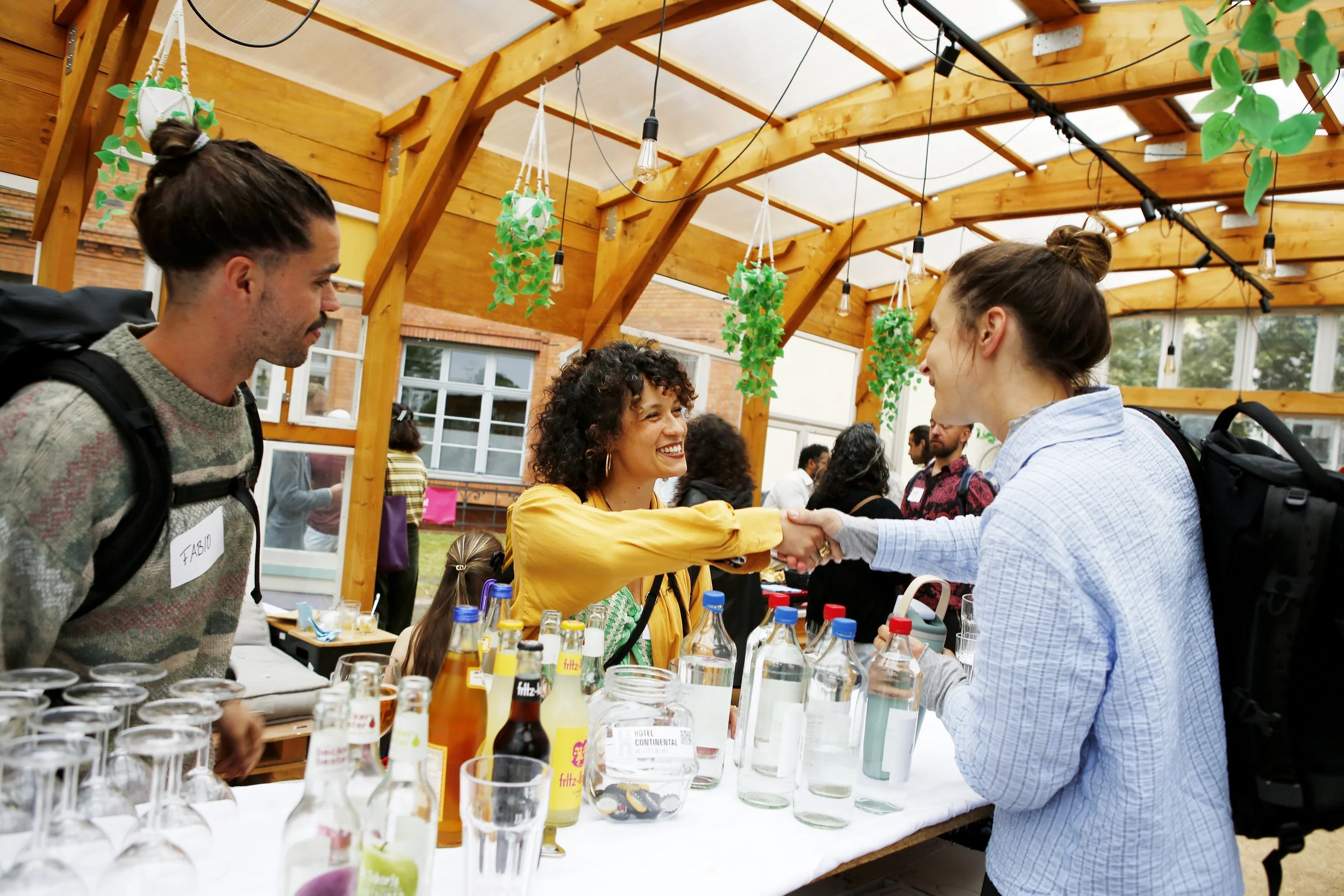
Take a look through the gallery below for some of our favorite moments from the evening.
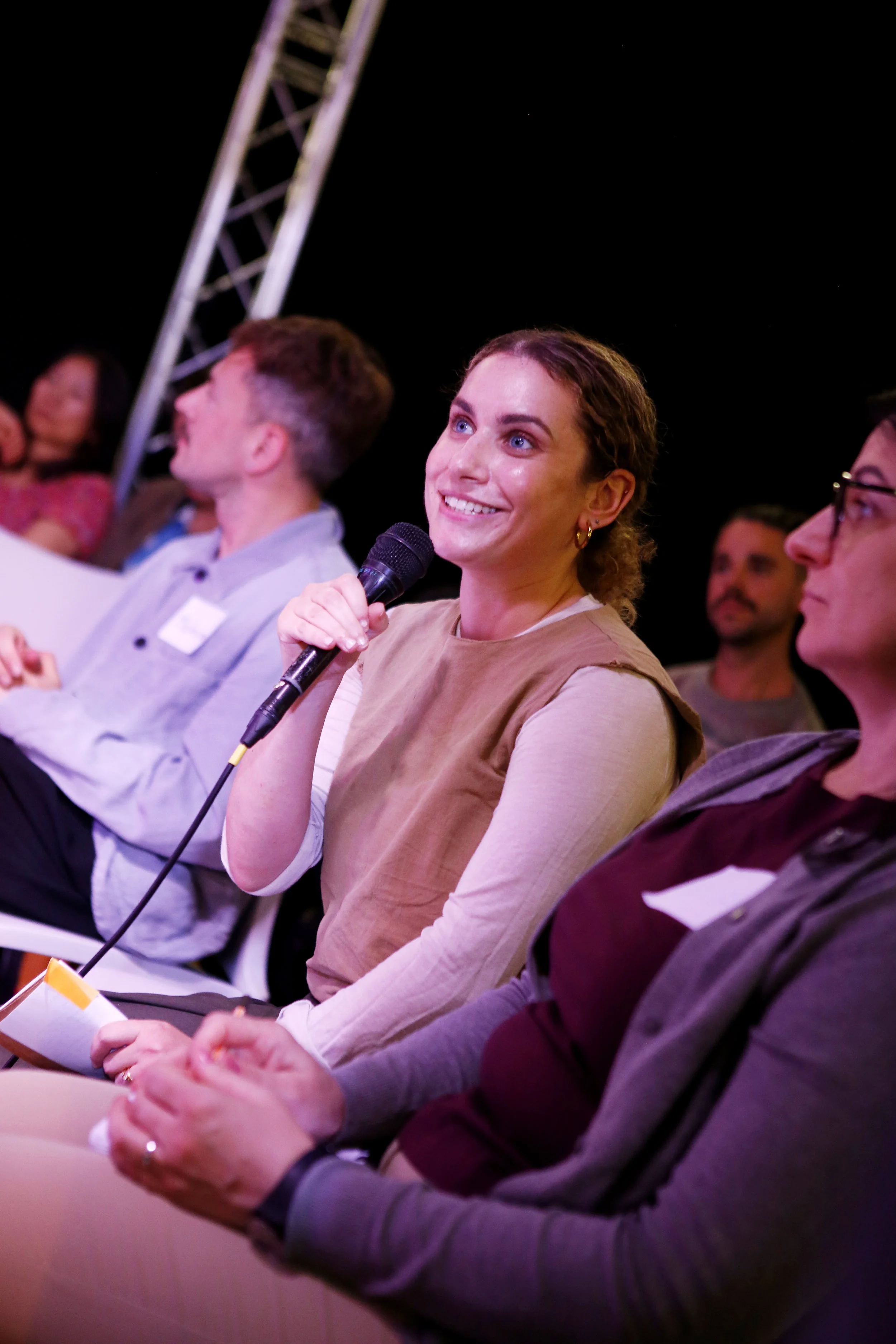
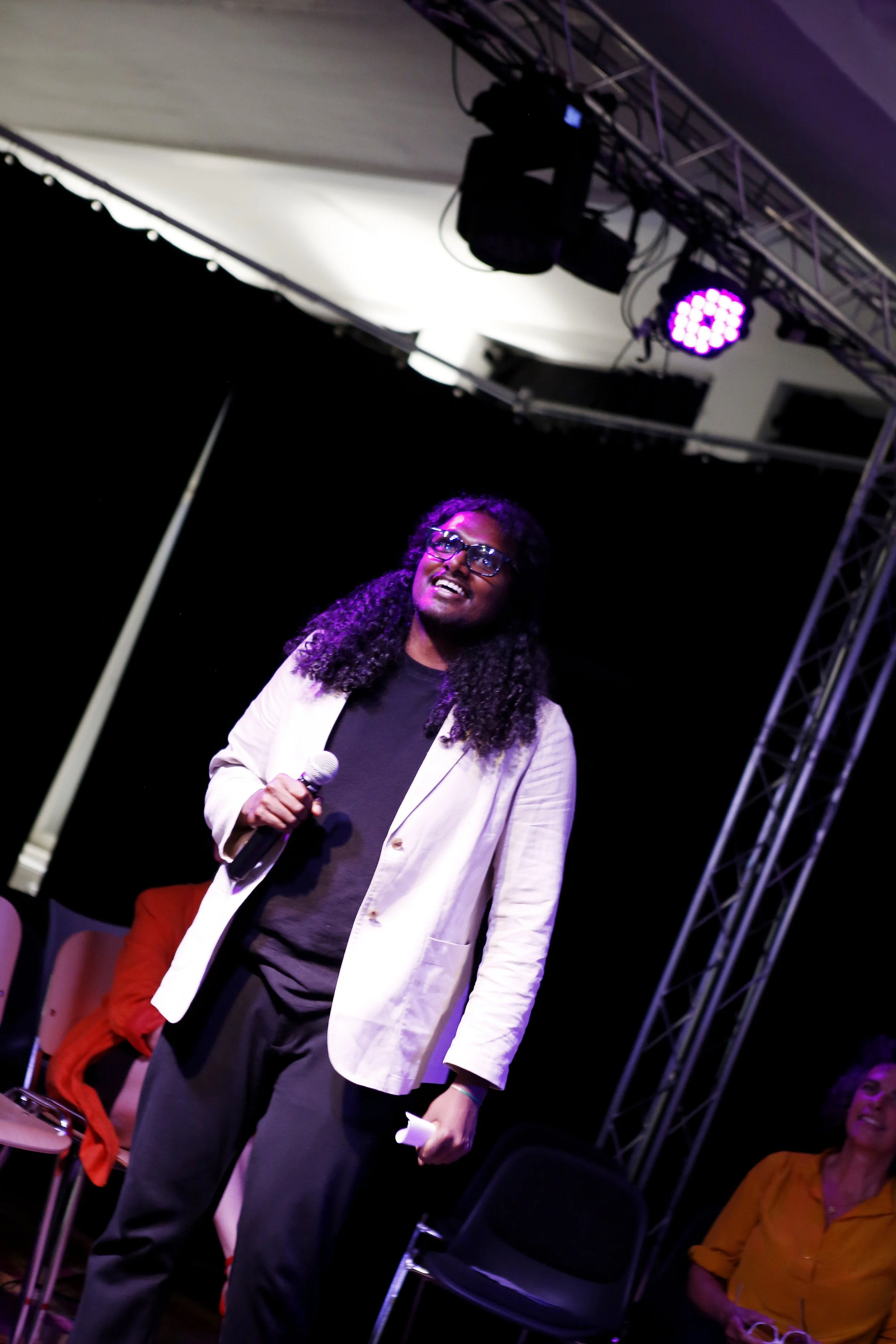
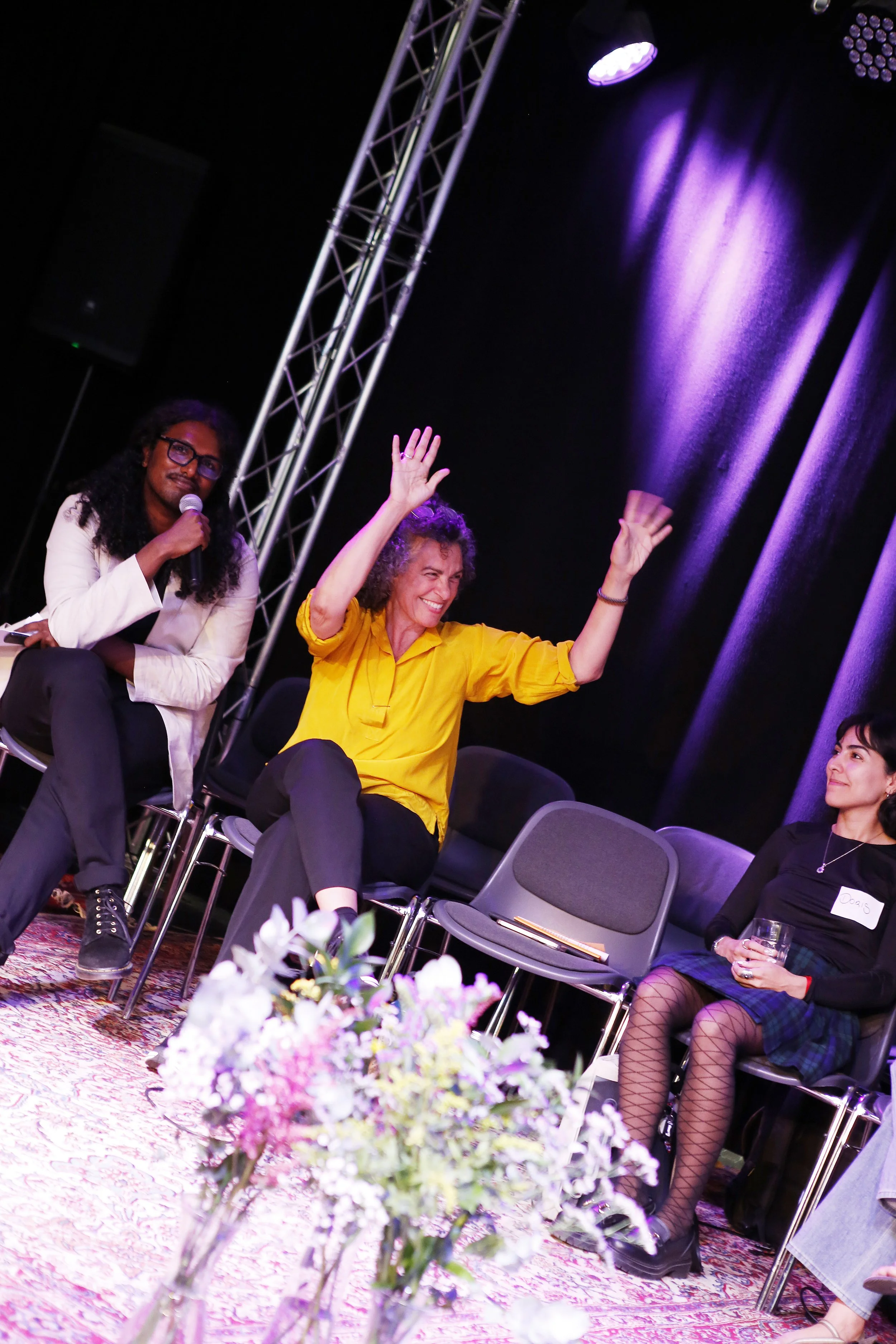
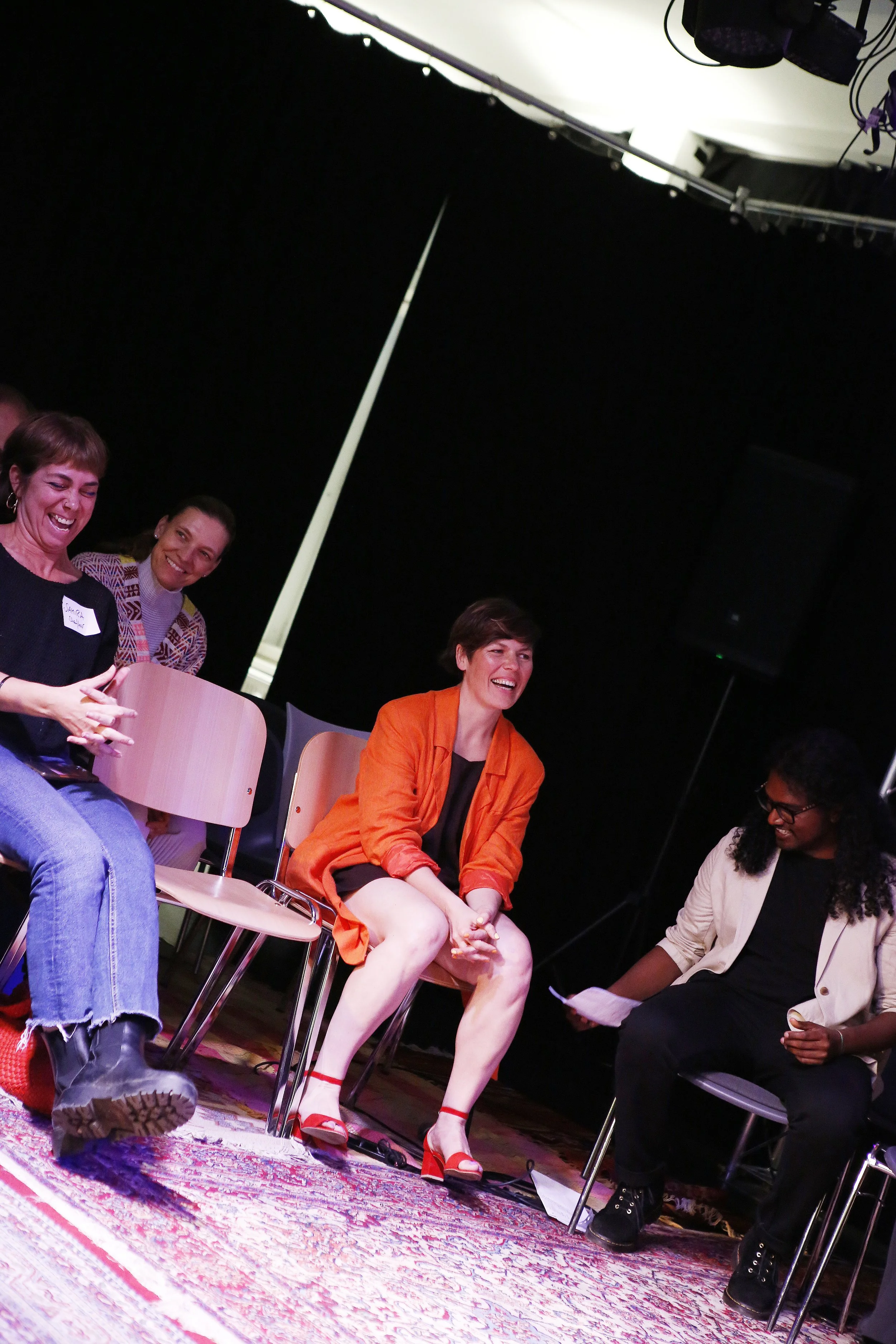
Photos by Constanze Flamme