Connecting the Dots: Musings on Bridging & Belonging

Never before have as many countries simultaneously been in the midst of the systematic undermining of institutions and rights, what scholars call “democratic backsliding.” Last year marked 25 years of democratic decline globally. Wherever anti-democracy or illiberal movements have captured state power and set about transforming government, it has become normal to ask: Where are we on the authoritarian timeline? The timeline refers to the expanse between now and a point in the future when the new system is locked in. Many experts call this authoritarian consolidation. For those speaking of timelines or “the clock,” it is sometimes ominously referred to as “midnight.”
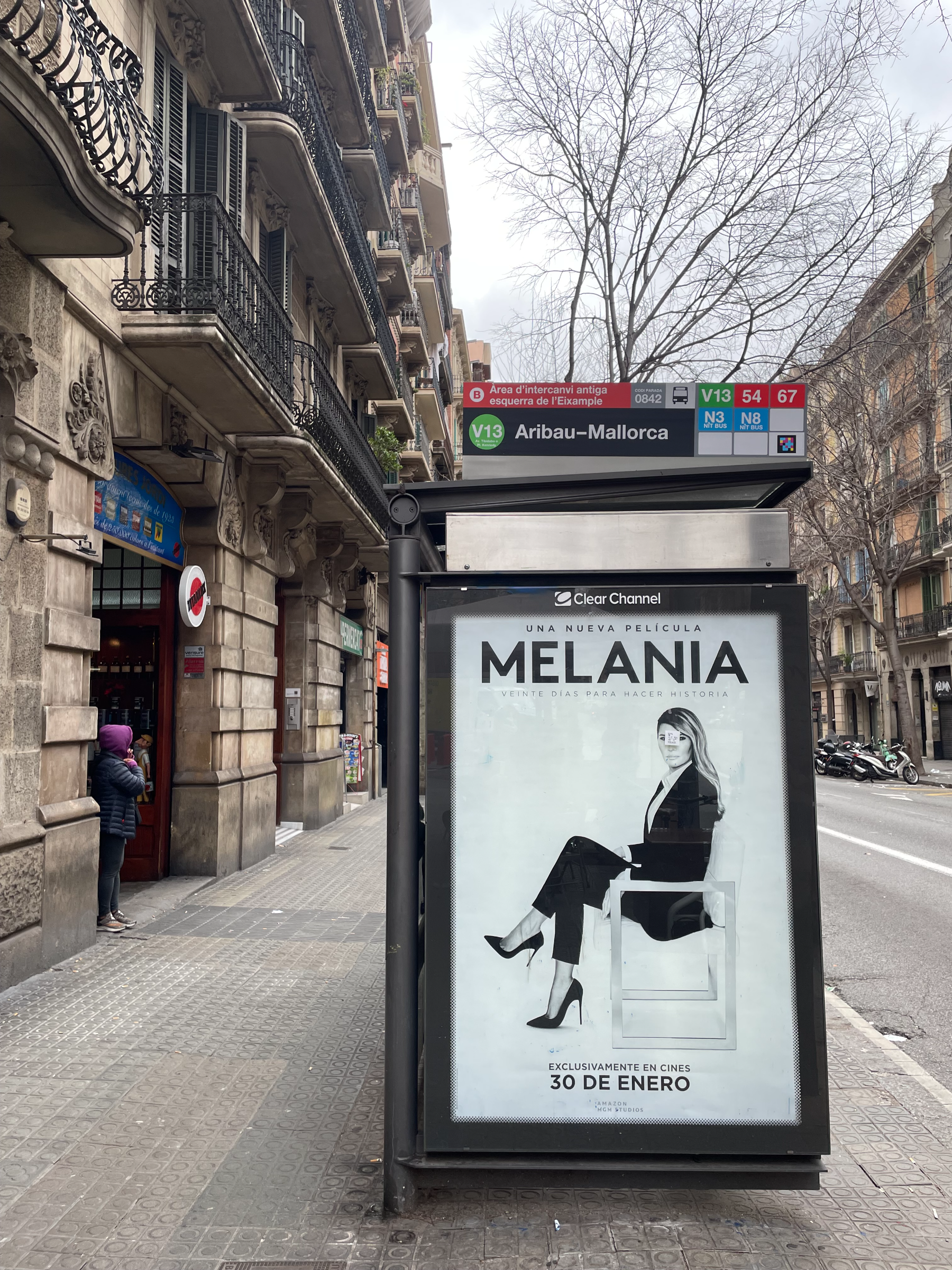
I was walking around Barcelona when Melania Trump’s gaze suddenly greeted me on the side of a bus shelter. Disoriented by the sight of the US first lady in the heart of Catalonia, I moved closer and realized it was an ad for her documentary. I had seen coverage of the movie premiere throughout the week, most articles presaging what a flop the documentary would be. Then came the opening weekend (strongest documentary debut in a decade)–and the reviews. At the time of this writing, the documentary has a staggering gap between critic and audience reviews (at 10 percent vs 99 percent respectively) on Rotten Tomatoes.
“In a 2024 podcast interview with Joe Rogan, Mark Zuckerberg mentioned that corporate culture in America is neutered, taking the grandstand view that the workplace needs more “masculine energy.” At the time, in some circles, Zuckerberg’s comments were the source of both outrage and mockery (I will admit I much laughed). But since then, a more intellectualized version of that idea—one that has always lingered in the background—has started to gain ground in North American and European cultural discourse. What once lived in conservative or fringe think tanks and conferences has seeped into the mainstream and even pop culture. Most recently, Helen Andrews made the case in a New York Times podcast and op-ed with Ross Douthat, claiming that companies and institutions now have “too many women,” a shift she says threatens civilizational decline.”
Paper Series: Bridging in Practice
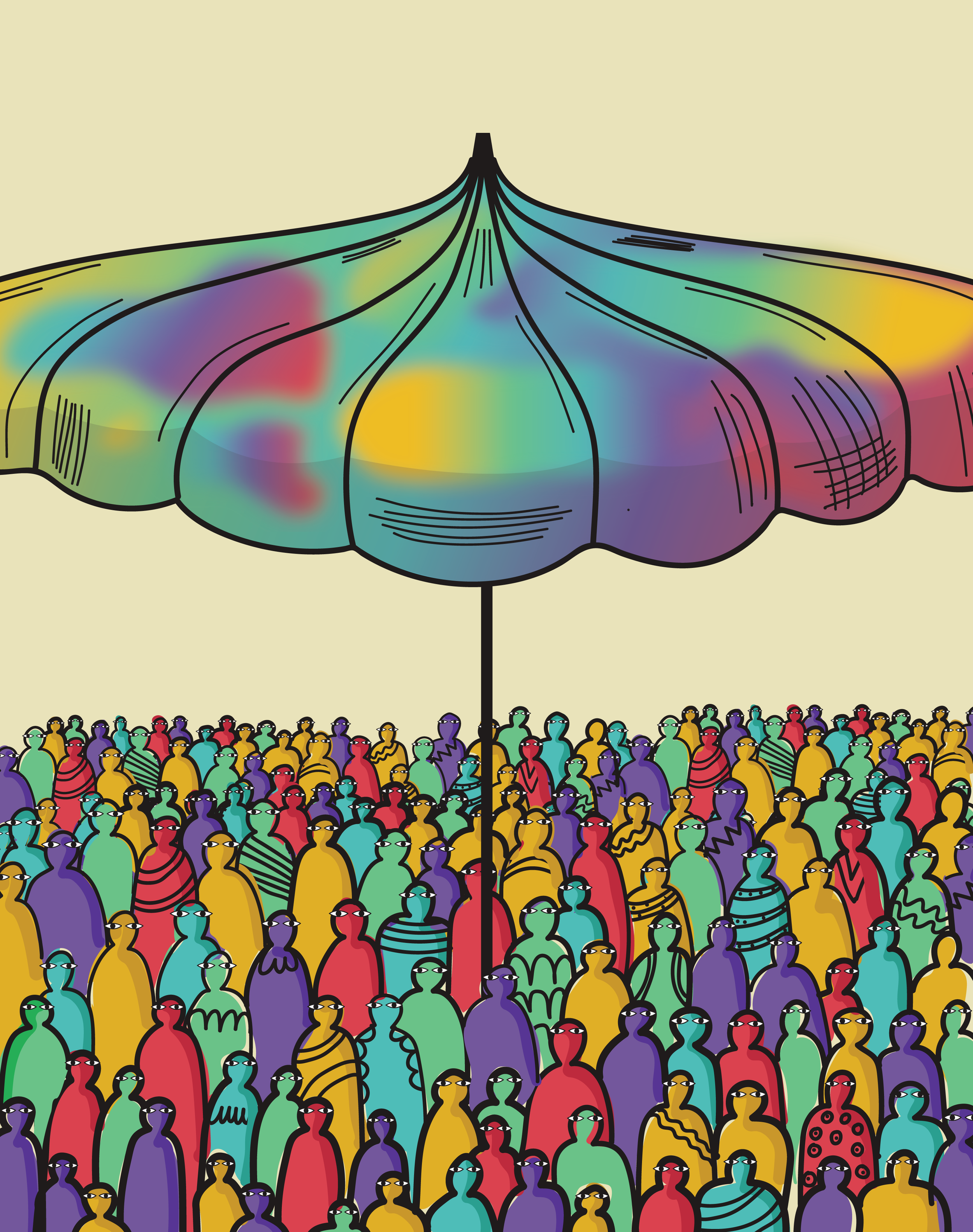
‘Big tent’ is a metaphor for a container wide enough for community organizers and issue-area advocates; institutional reformers; bridge-builders and dialogue practitioners; faith leaders; veterans and military families; business executives; labor unions; professional associations; artists and cultural workers; youth leaders; and much more. A formation that can hold progressives, moderates, conservatives disillusioned by authoritarian drift, and people who may not see themselves as “activists” but care deeply about their communities.
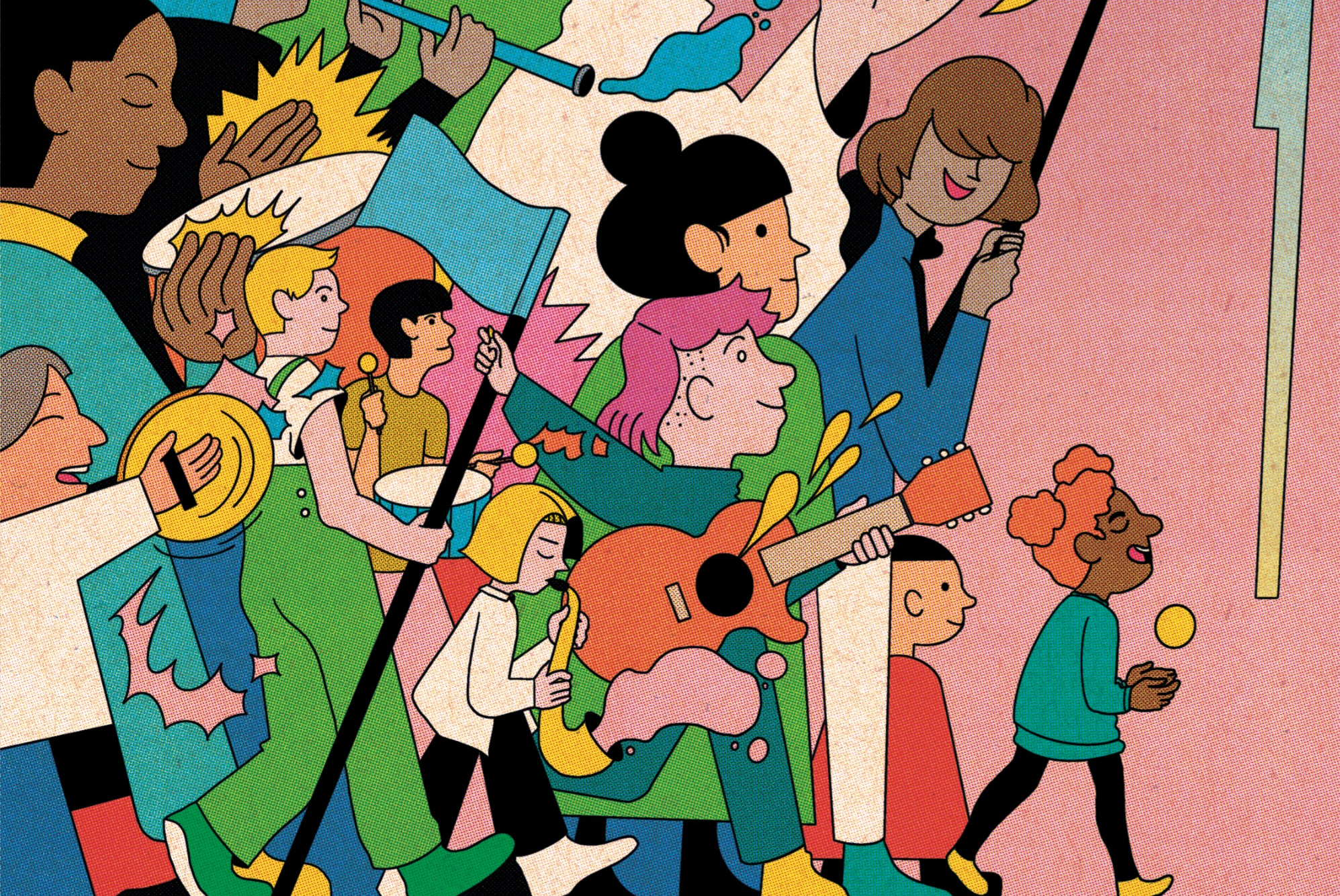
In 2020, amid the global pandemic, the antiracist, self-organized Regularización Ya! movement emerged across Spain. Embracing a participatory, assembly-based approach, and brought together through large online calls for action, the movement demanded that the Spanish government secure rights for over 500,000 migrants who continue to lack residency status. Without the security of residency, they face systemic inequality, discrimination, and violence—even public healthcare is inaccessible.
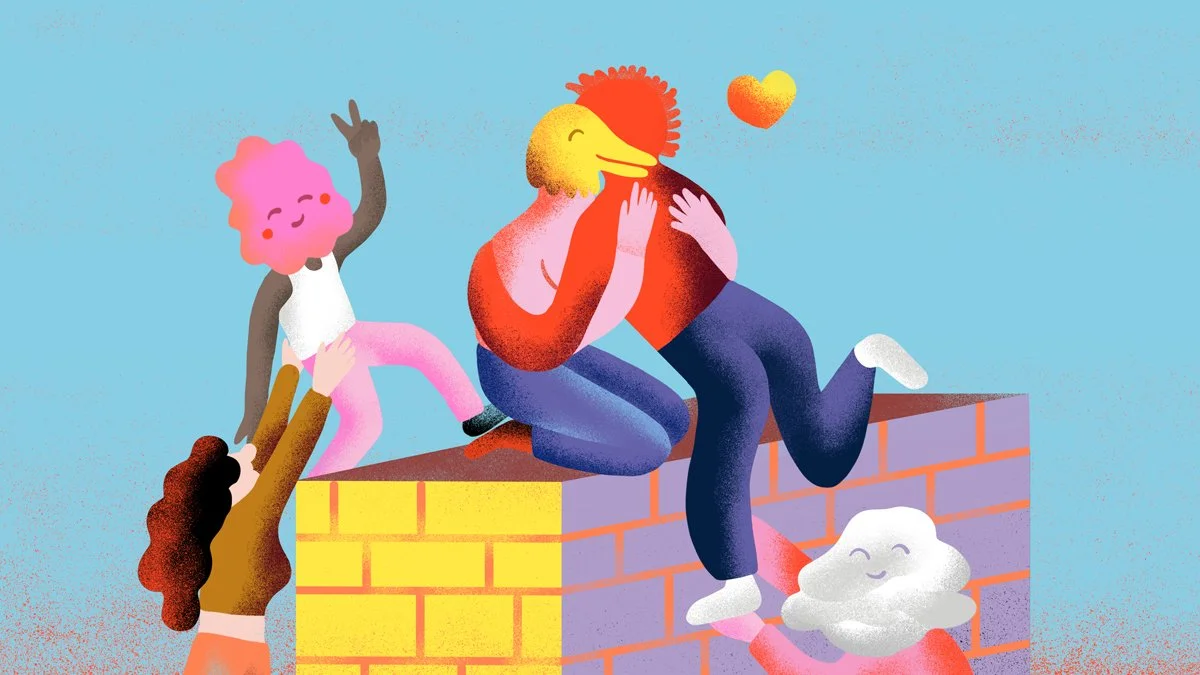
Focusing on reaching those who feel like they do not belong in mainstream society, Fryshuset’s approach is that of radical inclusion—where every person is granted a second chance. Engaging those who are often seen as the problem, such as young people drawn into criminal gangs or radicalized movements, the organization aims to bolster young people’s hope for the future by providing every individual with the conditions to feel seen, loved, and included in society. Fryshuset trusts that all youth, provided with the right support and skills, will go on to lead positive change in their own lives and in society.
Insights from Forum Leaders
What brought me to the beauty salons that inspired Stories from the Beauty Parlor was a very personal experience. I was an exhausted first-time mum and went to a beauty salon in order to be taken care of for a moment, instead of caring for someone else. Beauty work is very intimate; there is closeness, touch, and the release of stress. As is so often the case during such a process, the beautician and I got to talking. There was an unexpected connection between her and me: she was a refugee from Kosovo, as is my partner. She is Roma and the story that she shared with me is of the sort that you don't usually get to hear in the media. This was a lightbulb moment for me as I realized that these female safe spaces hold so much potential for both storytelling and care.
For more than 15 years, I have organized in Idaho, one of the most rural and politically conservative states in the US. Much of my work has focused on communities that are often misunderstood, overlooked, or written off entirely by national political and philanthropic institutions. Living and organizing in these spaces taught me something important very early on: people are rarely as simple as the narratives we construct about them.
I began my career as a journalist, reporting from North Africa during the Arab Spring and later from Syria as the uprising against the Assad regime turned into civil war. At the beginning, I met many young people my own age who were taking to the streets to demand reforms, democracy, and freedom, often looking toward Europe as a model for a better future.
Essays
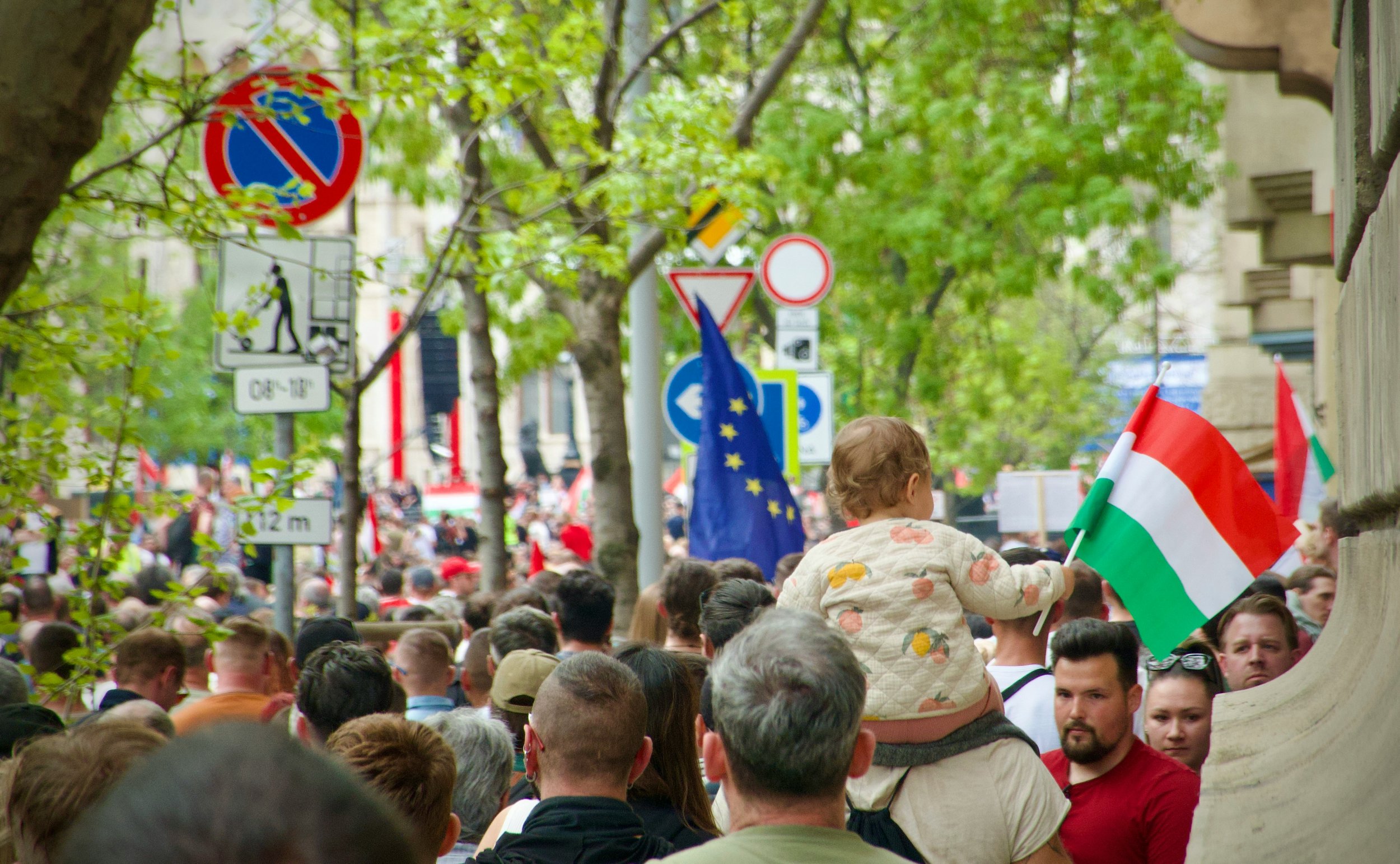
On the night of April 12, 2026, as the results of Hungary's parliamentary elections became clear, one chant rose repeatedly from the crowds gathered in Budapest: "Europe! Europe! Europe!"
For outside observers, this may have sounded like a simple expression of relief after sixteen years of democratic backsliding under Viktor Orbán's government. But for many Hungarians, it carried a deeper meaning. It was a statement about belonging.
At this critical juncture in our nation’s history, our mandate for the future is clear. We’re not trying to preserve the version of democracy that has failed us. We need a new form to emerge, rooted in Dr. King’s vision of a beloved community. This future democracy is built towards the ambition to repair our relationship to ourselves, each other, and this earth.
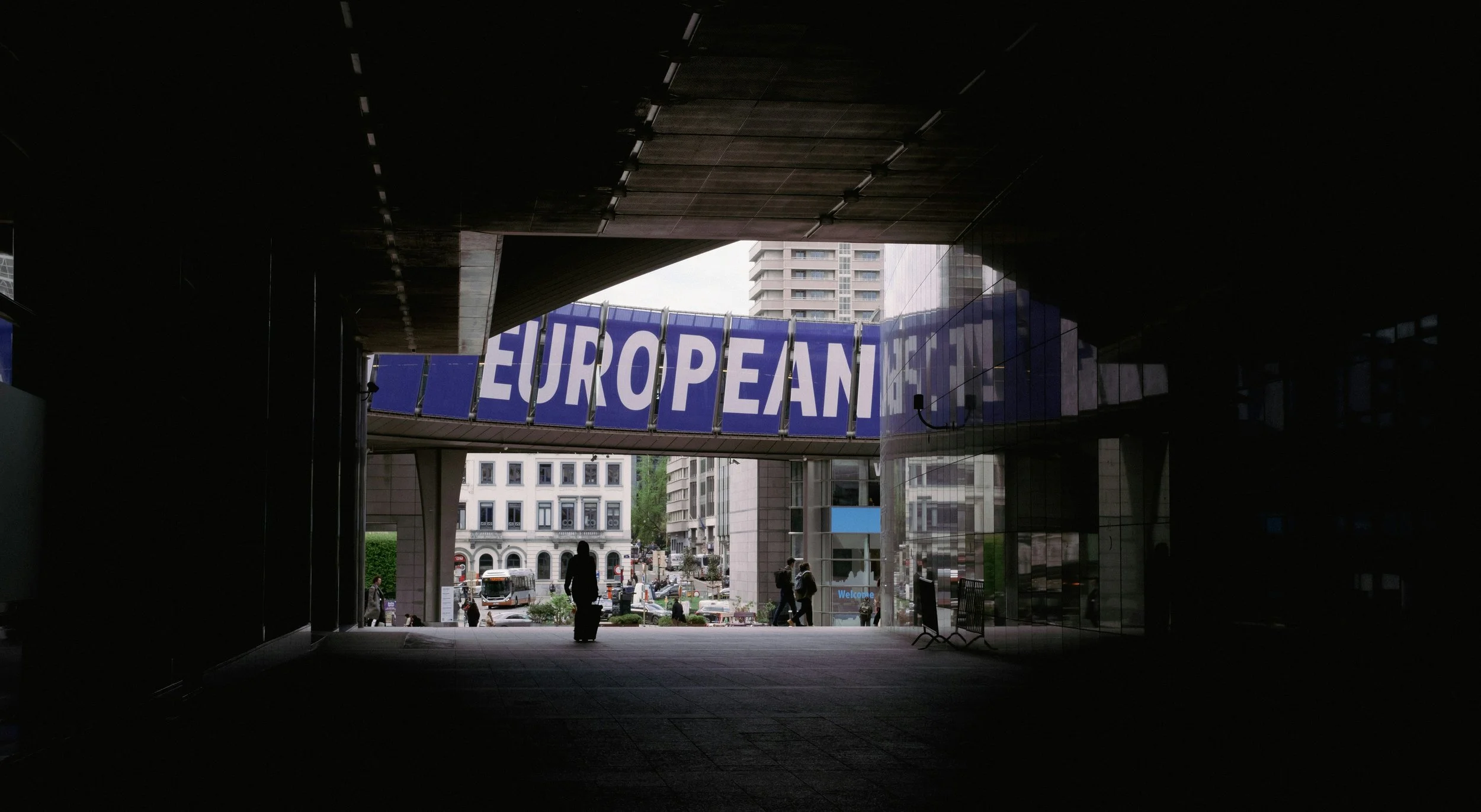
At a first glance, the European Union – and the European identity centred on it – might seem like a good example of what belonging without othering might look like. This is certainly how the EU would like to imagine itself. As the European Commission president José Manuel Barroso put it in a speech he gave when the EU was awarded the Nobel Peace Prize in 2012, the post-World War II European project has shown “that it is possible to overcome the differences between ‘them’ and ‘us’.” This almost makes it sound as if the EU might be a model for how the Othering and Belonging Institute’s conception of “a bigger ‘we’” can be created.
Paper Series: On Belonging in Europe

Times appear to be changing as the European periphery seems to be leading the way to a social Europe, or at least strongly advocating for one; trying to make sure that policies are accompanied by belonging narratives that can deactivate the impulse to other. These policies and narratives should make clear that the Union may be in the making, but citizens from all Europe are in it together and the future of Europe depends on how much they feel they belong. For that, you also need the periphery (and its peripheries) to feel included and this is probably the next and most pressing challenge.

It’s time to look beyond a limited concept, that obscures at least as much as it reveals.
To go beyond polarisation as a concept, we need to transcend its limits - by using a more contemporary and nuanced psychology to connect the varied social trends of recent decades - including technological and media change - with the range of major social challenges that have come to the fore in that time.
With a broader lens like this, we might start to see the real root causes in our common social ills, how they are connected–and what would be necessary to truly address them. Polarisation cannot offer us that–but we have the tools to begin creating something better that can.

“Othering'' in this context, against LGBTQ+ persons and groups, basically reduces people to some abstract, undefined “ideology.” Belonging, on the other hand, is formed in solidarity practices – in the discussions and support actions around the “Atlas of Hate," in various queer and LGBTQ+ marches in big and small towns of Poland, and in legal and media support. In some municipalities, like those of Poznań, Warsaw, and Gdańsk, the solidarity of opening the “LGBTQ+ - zones” was emphasized with actions like the huge Palace of Culture in Warsaw bearing the rainbow colors in the Pride month and on other occasions.